Buy clashroyale.eu ?
We are moving the project
clashroyale.eu .
Are you interested in purchasing the domain
clashroyale.eu ?
domain@kv-gmbh.de · 0541-91531010
Buy clashroyale.eu ?
Is linguistic design the same as linguistic devices?
No, linguistic design and linguistic devices are not the same. Linguistic design refers to the overall structure and organization of language, including factors such as syntax, semantics, and discourse patterns. On the other hand, linguistic devices are specific techniques or tools used within language to achieve certain effects, such as metaphors, similes, or alliteration. While linguistic devices are a part of linguistic design, they are just one component of the broader concept. **
What are non-linguistic signs and linguistic signs?
Non-linguistic signs are symbols or signals that convey meaning without the use of language, such as traffic lights, facial expressions, or body language. These signs rely on visual cues or gestures to communicate information. On the other hand, linguistic signs are symbols that represent specific meanings within a particular language system, such as words, letters, or numbers. Linguistic signs rely on the conventions and rules of language to convey meaning. **


Similar search terms for Linguistic
Top-Angebote
Products related to Linguistic:
-
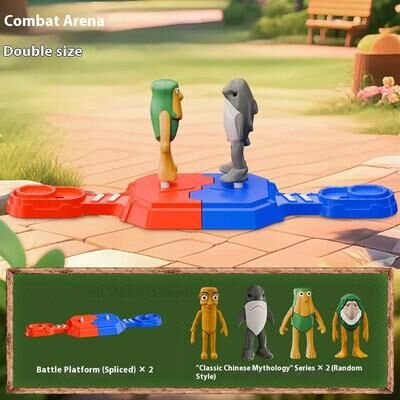
Uplift Picks Shanhaijing Wooden Stick Battle Game Multiplayer Arena Toy For Kids And Families 01Turn ordinary playtime into an exciting arena challenge with this action packed wooden stick battle toy inspired by Shanhaijing themes. Designed for interactive fun, this multiplayer battle game encourages friendly competition between kids, parents,...53,48 $*Shipping: 0,00 $Secure redirect to the provider
-
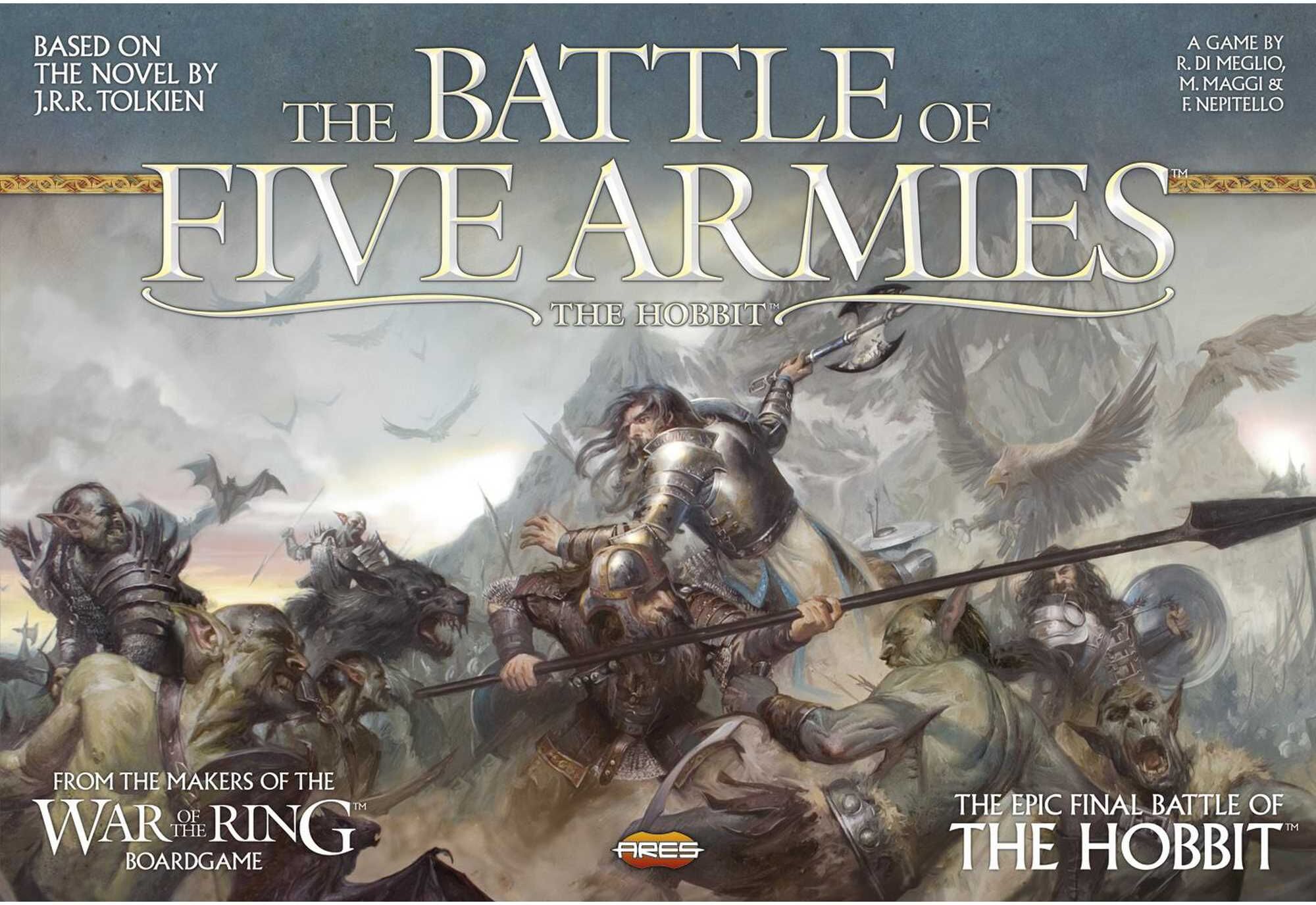
Ares Games Battle of Five Armies Board Game for Two Players - Strategy GameRecreate the climactic conflict from The Hobbit in this strategic two-player board game. One player commands the forces of the Free Peoples, while the other leads the armies of the Shadow in a contest shaped by positioning, tactical decisions, and changing battle conditions. Based on the acclaimed game system first used in War of the Ring, the game captures the scale and tension of the battle while focusing on the events surrounding the Lonely Mountain. Players must manage their forces carefully, respond to the actions of their opponent, and make decisive choices as the conflict develops. This game is set in the world of J.R.R. Tolkien's Middle-earth and is a physical tabletop game supplied in a retail box. The box dimensions are approximately 40.8 × 27.8 × 9.4 cm.60,79 £*Shipping: 0,00 £Secure redirect to the provider
-
Do or Drink – Adult Drinking Card Game (350 Cards, 175 Challenges) Party & Game Night FunDo or Drink is a bold, laugh-out-loud drinking card game created for adults who want to turn any gathering into an unforgettable night. Packed with 350 cards and 175 outrageous challenges , it’s designed to spark competition, banter and plenty of drinks—making it a go-to choice for parties, celebrations and game nights. Key Features Adult drinking card game for bold party fun 350 cards with 175 unique challenges Simple rules – quick to learn and start playing Designed for groups and social settings Compact box, easy to bring to parties and trips Ideal for 18th birthdays, hen parties and celebrations Benefits Do or Drink breaks the ice instantly and keeps energy high throughout the night. The easy gameplay means less explaining and more laughing, while the wide variety of challenges keeps rounds fresh and unpredictable. Perfect for adults looking to add humour, competition and excitement to social gatherings. Specifications Table Specification Details Brand Do or Drink Product Type Drinking Card Game Card Count 350 Challenges 175 Recommended Age 18+ Players Group Play Gameplay Style Party / Social Language English Colour Multi-Coloured EAN / Barcode 860002526409 Perfect for adults aged 18+ looking to elevate game nights, house parties, birthdays, stag and hen parties . Best suited for groups who enjoy competitive, humorous and high-energy social games.23,99 £*Shipping: 0,00 £Secure redirect to the provider
-
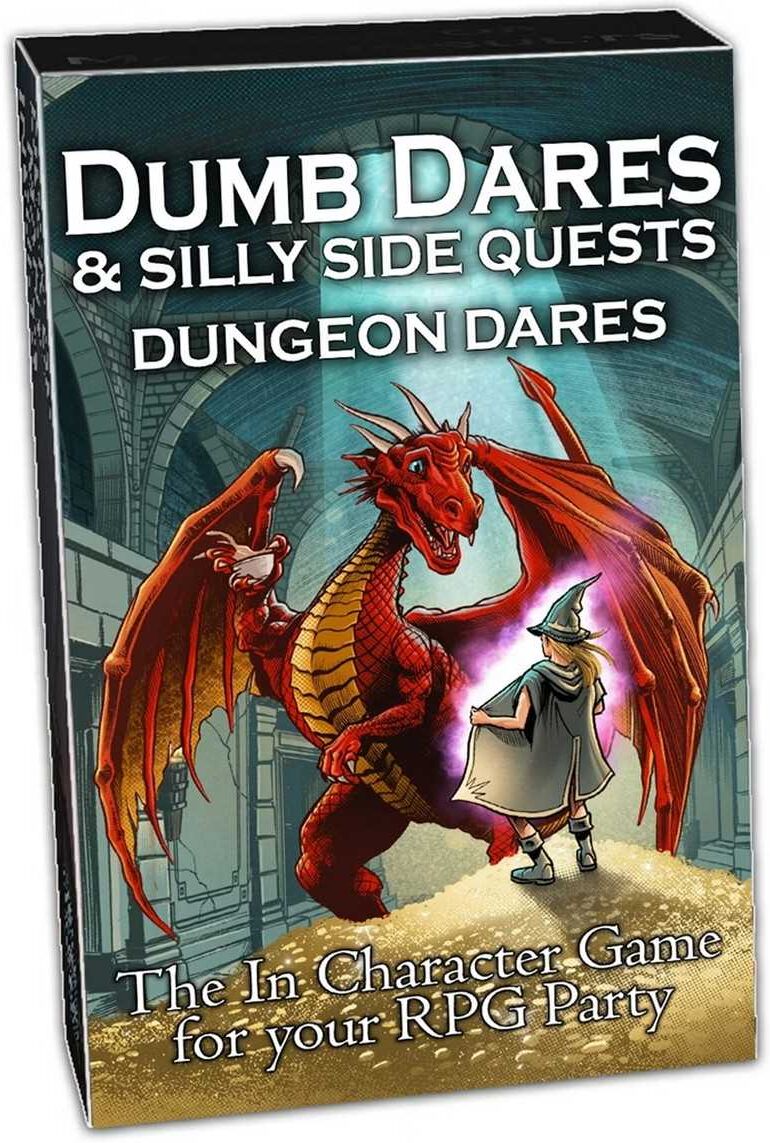
Loke Battlemats Dungeon Dares Pack: Dumb Dares ; Silly Side Quests - RPG Party Challenges and Improvisation CardsAdd unexpected character moments to your role-playing sessions with Dumb Dares; Silly Side Quests. This pack contains 50 humorous prompts designed to encourage improvisation, playful risk-taking, and in-character interaction during your game. Use the cards to introduce a spontaneous challenge when the party needs a change of pace, to bring extra energy to a one-shot, or to help players explore how their characters might react in unusual situations. The compact card format makes the pack easy to keep with your tabletop role-playing supplies and simple to bring to a gaming session. Draw a card when you want to add an unexpected character challenge, invite the relevant player to complete the dare or side quest in character, and adapt the prompt to suit your group, campaign, and table boundaries. Dungeon Dares is intended for role-playing groups looking for light-hearted, unpredictable moments alongside their regular adventure.11,16 £*Shipping: 3,95 £Secure redirect to the provider

-
What are good examples of linguistic and non-linguistic images?
Good examples of linguistic images include descriptive language that paints a vivid picture in the reader's mind, such as "the sun hung low in the sky, casting a warm golden glow over the fields." Non-linguistic images can include photographs, paintings, or other visual art that convey a specific mood or message without the use of words. For example, a photograph of a stormy sea with dark, churning waves can evoke a sense of danger and power without any accompanying text. Both linguistic and non-linguistic images can be powerful tools for communication and expression. **
-
What is linguistic redundancy?
Linguistic redundancy refers to the use of unnecessary or repetitive words, phrases, or information in communication. It can often be seen as a form of over-explaining or providing more information than is needed to convey a message. While some level of redundancy can help clarify communication and ensure understanding, excessive redundancy can lead to inefficiency and confusion in language. Overall, linguistic redundancy can be both a helpful tool for emphasizing key points and a hindrance to clear and concise communication. **
-
What are linguistic peculiarities?
Linguistic peculiarities refer to unique or unusual features found in a language that set it apart from others. These can include specific grammar rules, pronunciation patterns, vocabulary choices, or cultural influences that shape the way a language is spoken or written. Linguistic peculiarities can vary widely from one language to another, making each language distinct and interesting in its own way. **
-
What are linguistic aspects?
Linguistic aspects refer to the different components of language that are studied in linguistics. These aspects include phonetics (the study of speech sounds), phonology (the study of sound patterns), morphology (the study of word structure), syntax (the study of sentence structure), semantics (the study of meaning), and pragmatics (the study of language use in context). Understanding these linguistic aspects helps us analyze and interpret language in a systematic way. **

What are linguistic features?
Linguistic features are the characteristics of language that help to distinguish one language from another or one dialect from another. These features can include phonological features (such as the sounds used in a language), morphological features (such as word formation and inflection), syntactic features (such as word order and sentence structure), and semantic features (such as the meaning of words and how they are used in context). Linguistic features are essential for understanding and analyzing language and are used by linguists to study and compare different languages and dialects. **
What are linguistic devices?
Linguistic devices are techniques and structures used in language to convey meaning, create emphasis, and evoke certain emotions or responses from the audience. These devices can include figurative language such as metaphors and similes, as well as rhetorical devices like repetition and parallelism. They are used by writers and speakers to enhance the impact and effectiveness of their communication, and can be found in various forms of literature, poetry, speeches, and everyday conversation. **
Top-Angebote
Products related to Linguistic:
-
Zaffre Guilty by Definition: The instant Sunday Times bestselling linguistic mystery from Britain's wordsmith, Susie Dent (Clarendon Lexicographers)A coded letter. A missing woman. A truth waiting to be found. When an anonymous letter is delivered to the Clarendon English Dictionary office, it becomes rapidly clear that this is not the usual word-related enquiry. Instead, the letter hints at sinister events linked to a particular year. For editor Martha Thornhill, the date can mean only one thing: the summer her brilliant older sister Charlie went missing. Ten years on, Martha and her family are no closer to unravelling the mystery of Charlie's disappearance - until now. As more letters arrive, Martha and her team follow the linguistic clues to a troubling truth. It seems Charlie was keeping a powerful secret, and that someone is desperate to keep it well and truly buried. Guilty by Definition is a love letter not only to language but to the city of Oxford, wrapped within an intriguing mystery of a missing woman and considering the emotional aftershocks of her disappearance on those left behind.5,99 £*Shipping: 2,99 £Secure redirect to the provider
-
Pokemon Pokemon Battle Spinner Arena Set - Complete Arena Set with Interactive Spinner for Pokémon Battles - 30cm x 30cmGet ready to engage in epic Pokémon battles with the Pokémon Battle Spinner Arena Set. This interactive playset is perfect for fans and collectors alike, offering a unique and exciting way to showcase your favorite figures. The set includes everything you need to create an immersive battle experience, featuring a compact and durable design that measures approximately 30cm x 30cm. The interactive spinner adds an element of surprise to battles, while the high-quality materials ensure hours of safe and enjoyable play. Compatible with other Jazwares Pokémon figures, this set is a great addition to any Pokémon collection.21,96 £*Shipping: 3,95 £Secure redirect to the provider
-
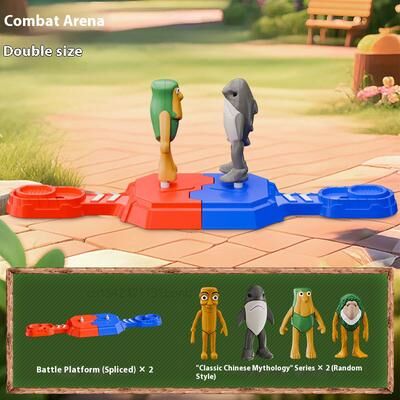
Uplift Picks Shanhaijing Wooden Stick Battle Game Multiplayer Arena Toy For Kids And Families 01Turn ordinary playtime into an exciting arena challenge with this action packed wooden stick battle toy inspired by Shanhaijing themes. Designed for interactive fun, this multiplayer battle game encourages friendly competition between kids, parents,...53,48 $*Shipping: 0,00 $Secure redirect to the provider
-
Ares Games Battle of Five Armies Board Game for Two Players - Strategy GameRecreate the climactic conflict from The Hobbit in this strategic two-player board game. One player commands the forces of the Free Peoples, while the other leads the armies of the Shadow in a contest shaped by positioning, tactical decisions, and changing battle conditions. Based on the acclaimed game system first used in War of the Ring, the game captures the scale and tension of the battle while focusing on the events surrounding the Lonely Mountain. Players must manage their forces carefully, respond to the actions of their opponent, and make decisive choices as the conflict develops. This game is set in the world of J.R.R. Tolkien's Middle-earth and is a physical tabletop game supplied in a retail box. The box dimensions are approximately 40.8 × 27.8 × 9.4 cm.60,79 £*Shipping: 0,00 £Secure redirect to the provider
-
Is linguistic design the same as linguistic devices?
No, linguistic design and linguistic devices are not the same. Linguistic design refers to the overall structure and organization of language, including factors such as syntax, semantics, and discourse patterns. On the other hand, linguistic devices are specific techniques or tools used within language to achieve certain effects, such as metaphors, similes, or alliteration. While linguistic devices are a part of linguistic design, they are just one component of the broader concept. **
-
What are non-linguistic signs and linguistic signs?
Non-linguistic signs are symbols or signals that convey meaning without the use of language, such as traffic lights, facial expressions, or body language. These signs rely on visual cues or gestures to communicate information. On the other hand, linguistic signs are symbols that represent specific meanings within a particular language system, such as words, letters, or numbers. Linguistic signs rely on the conventions and rules of language to convey meaning. **
-
What are good examples of linguistic and non-linguistic images?
Good examples of linguistic images include descriptive language that paints a vivid picture in the reader's mind, such as "the sun hung low in the sky, casting a warm golden glow over the fields." Non-linguistic images can include photographs, paintings, or other visual art that convey a specific mood or message without the use of words. For example, a photograph of a stormy sea with dark, churning waves can evoke a sense of danger and power without any accompanying text. Both linguistic and non-linguistic images can be powerful tools for communication and expression. **
-
What is linguistic redundancy?
Linguistic redundancy refers to the use of unnecessary or repetitive words, phrases, or information in communication. It can often be seen as a form of over-explaining or providing more information than is needed to convey a message. While some level of redundancy can help clarify communication and ensure understanding, excessive redundancy can lead to inefficiency and confusion in language. Overall, linguistic redundancy can be both a helpful tool for emphasizing key points and a hindrance to clear and concise communication. **
Similar search terms for Linguistic
-
Do or Drink – Adult Drinking Card Game (350 Cards, 175 Challenges) Party & Game Night FunDo or Drink is a bold, laugh-out-loud drinking card game created for adults who want to turn any gathering into an unforgettable night. Packed with 350 cards and 175 outrageous challenges , it’s designed to spark competition, banter and plenty of drinks—making it a go-to choice for parties, celebrations and game nights. Key Features Adult drinking card game for bold party fun 350 cards with 175 unique challenges Simple rules – quick to learn and start playing Designed for groups and social settings Compact box, easy to bring to parties and trips Ideal for 18th birthdays, hen parties and celebrations Benefits Do or Drink breaks the ice instantly and keeps energy high throughout the night. The easy gameplay means less explaining and more laughing, while the wide variety of challenges keeps rounds fresh and unpredictable. Perfect for adults looking to add humour, competition and excitement to social gatherings. Specifications Table Specification Details Brand Do or Drink Product Type Drinking Card Game Card Count 350 Challenges 175 Recommended Age 18+ Players Group Play Gameplay Style Party / Social Language English Colour Multi-Coloured EAN / Barcode 860002526409 Perfect for adults aged 18+ looking to elevate game nights, house parties, birthdays, stag and hen parties . Best suited for groups who enjoy competitive, humorous and high-energy social games.23,99 £*Shipping: 0,00 £Secure redirect to the provider
-
Loke Battlemats Dungeon Dares Pack: Dumb Dares ; Silly Side Quests - RPG Party Challenges and Improvisation CardsAdd unexpected character moments to your role-playing sessions with Dumb Dares; Silly Side Quests. This pack contains 50 humorous prompts designed to encourage improvisation, playful risk-taking, and in-character interaction during your game. Use the cards to introduce a spontaneous challenge when the party needs a change of pace, to bring extra energy to a one-shot, or to help players explore how their characters might react in unusual situations. The compact card format makes the pack easy to keep with your tabletop role-playing supplies and simple to bring to a gaming session. Draw a card when you want to add an unexpected character challenge, invite the relevant player to complete the dare or side quest in character, and adapt the prompt to suit your group, campaign, and table boundaries. Dungeon Dares is intended for role-playing groups looking for light-hearted, unpredictable moments alongside their regular adventure.11,16 £*Shipping: 3,95 £Secure redirect to the provider
-
Thunderworks Games Questline Card Game - 7 Sequential Cards - Compact Strategy Storytelling GameBuild your story one card at a time in Questline, a compact card game from Thunderworks Games. Players develop a hand of seven sequential cards, choosing when to claim useful cards and when to discard less helpful options. Look for cards with compatible story elements and effects as you shape your personal quest. Careful selection and timing can help you gather reputation and outscore your opponents by the end of the game.15,96 £*Shipping: 3,95 £Secure redirect to the provider
-
Inspire Daily Merch Wooden Stick Multiplayer Battle Toy, Arena Competition For Parent Child Interaction, Perfect Christmas Gift 1Engage in FunFilled Family Competition The New Wooden Stick Multiplayer Battle Toy brings excitement and bonding opportunities to families. This funfilled game is designed for parentchild interaction and allows both parents and kids to compete in...79,97 $*Shipping: 0,00 $Secure redirect to the provider
-
What are linguistic peculiarities?
Linguistic peculiarities refer to unique or unusual features found in a language that set it apart from others. These can include specific grammar rules, pronunciation patterns, vocabulary choices, or cultural influences that shape the way a language is spoken or written. Linguistic peculiarities can vary widely from one language to another, making each language distinct and interesting in its own way. **
-
What are linguistic aspects?
Linguistic aspects refer to the different components of language that are studied in linguistics. These aspects include phonetics (the study of speech sounds), phonology (the study of sound patterns), morphology (the study of word structure), syntax (the study of sentence structure), semantics (the study of meaning), and pragmatics (the study of language use in context). Understanding these linguistic aspects helps us analyze and interpret language in a systematic way. **
-
What are linguistic features?
Linguistic features are the characteristics of language that help to distinguish one language from another or one dialect from another. These features can include phonological features (such as the sounds used in a language), morphological features (such as word formation and inflection), syntactic features (such as word order and sentence structure), and semantic features (such as the meaning of words and how they are used in context). Linguistic features are essential for understanding and analyzing language and are used by linguists to study and compare different languages and dialects. **
-
What are linguistic devices?
Linguistic devices are techniques and structures used in language to convey meaning, create emphasis, and evoke certain emotions or responses from the audience. These devices can include figurative language such as metaphors and similes, as well as rhetorical devices like repetition and parallelism. They are used by writers and speakers to enhance the impact and effectiveness of their communication, and can be found in various forms of literature, poetry, speeches, and everyday conversation. **
* All prices are inclusive of VAT and, if applicable, plus shipping costs. The offer information is based on the details provided by the respective shop and is updated through automated processes. Real-time updates do not occur, so deviations can occur in individual cases. ** Note: Parts of this content were created by AI.