Buy clashroyale.eu ?
We are moving the project
clashroyale.eu .
Are you interested in purchasing the domain
clashroyale.eu ?
domain@kv-gmbh.de · 0541-91531010
Buy clashroyale.eu ?
What is the deontological perspective?
The deontological perspective is an ethical theory that focuses on the inherent rightness or wrongness of actions themselves, rather than the consequences of those actions. It is based on the idea that certain actions are morally obligatory regardless of their outcomes. Deontologists believe that individuals have a duty to follow certain moral rules or principles, such as honesty or respecting others' autonomy, regardless of the potential benefits or harms that may result. This perspective is often associated with philosophers like Immanuel Kant, who argued that moral principles are universal and apply to all rational beings. **
What is meant by deontological and teleological?
Deontological ethics is an ethical theory that focuses on the inherent rightness or wrongness of actions themselves, rather than the consequences of those actions. It emphasizes the importance of following moral rules and duties, regardless of the outcomes. On the other hand, teleological ethics, also known as consequentialism, is an ethical theory that evaluates the morality of actions based on their outcomes or consequences. It emphasizes the idea that the rightness or wrongness of an action is determined by the overall good or bad results it produces. In summary, deontological ethics focuses on the inherent nature of actions, while teleological ethics focuses on the outcomes of actions. **


Similar search terms for Deontological
Top-Angebote
Products related to Deontological:
-
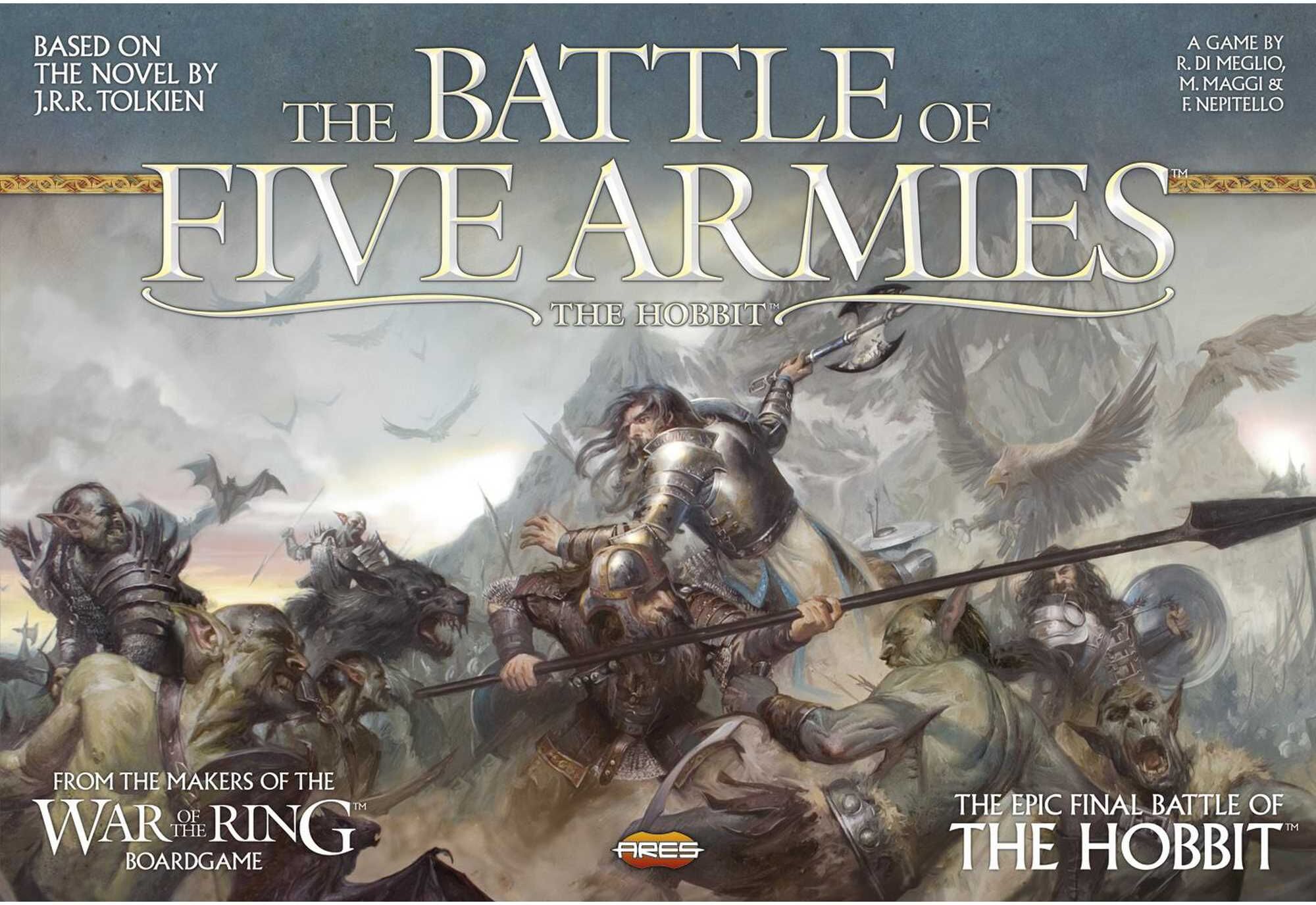
Ares Games Battle of Five Armies Board Game for Two Players - Strategy GameRecreate the climactic conflict from The Hobbit in this strategic two-player board game. One player commands the forces of the Free Peoples, while the other leads the armies of the Shadow in a contest shaped by positioning, tactical decisions, and changing battle conditions. Based on the acclaimed game system first used in War of the Ring, the game captures the scale and tension of the battle while focusing on the events surrounding the Lonely Mountain. Players must manage their forces carefully, respond to the actions of their opponent, and make decisive choices as the conflict develops. This game is set in the world of J.R.R. Tolkien's Middle-earth and is a physical tabletop game supplied in a retail box. The box dimensions are approximately 40.8 × 27.8 × 9.4 cm.60,06 £*Shipping: 0,00 £Secure redirect to the provider
-
Do or Drink – Adult Drinking Card Game (350 Cards, 175 Challenges) Party & Game Night FunDo or Drink is a bold, laugh-out-loud drinking card game created for adults who want to turn any gathering into an unforgettable night. Packed with 350 cards and 175 outrageous challenges , it’s designed to spark competition, banter and plenty of drinks—making it a go-to choice for parties, celebrations and game nights. Key Features Adult drinking card game for bold party fun 350 cards with 175 unique challenges Simple rules – quick to learn and start playing Designed for groups and social settings Compact box, easy to bring to parties and trips Ideal for 18th birthdays, hen parties and celebrations Benefits Do or Drink breaks the ice instantly and keeps energy high throughout the night. The easy gameplay means less explaining and more laughing, while the wide variety of challenges keeps rounds fresh and unpredictable. Perfect for adults looking to add humour, competition and excitement to social gatherings. Specifications Table Specification Details Brand Do or Drink Product Type Drinking Card Game Card Count 350 Challenges 175 Recommended Age 18+ Players Group Play Gameplay Style Party / Social Language English Colour Multi-Coloured EAN / Barcode 860002526409 Perfect for adults aged 18+ looking to elevate game nights, house parties, birthdays, stag and hen parties . Best suited for groups who enjoy competitive, humorous and high-energy social games.23,99 £*Shipping: 0,00 £Secure redirect to the provider
-
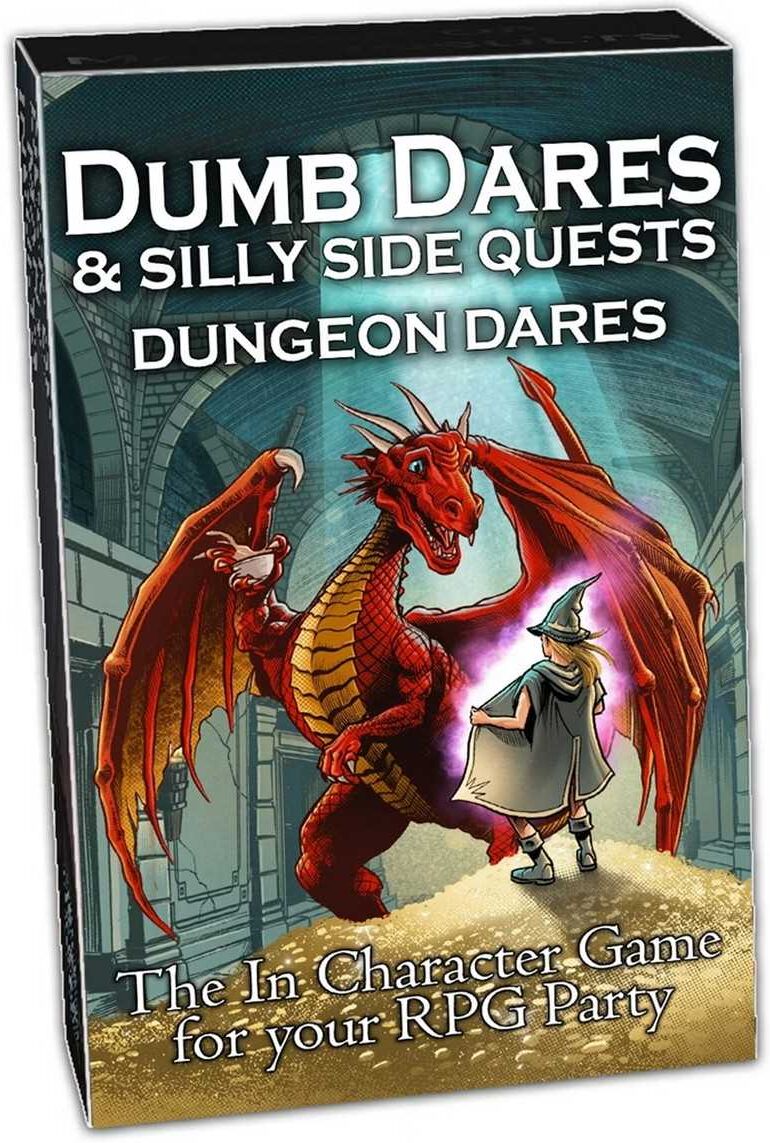
Loke Battlemats Dungeon Dares Pack - Dumb Dares Silly Side Quests - RPG Party Challenges and Improvisation CardsAdd unexpected character moments to your role-playing sessions with Dumb Dares; Silly Side Quests. This pack contains 50 humorous prompts designed to encourage improvisation, playful risk-taking, and in-character interaction during your game. Use the cards to introduce a spontaneous challenge when the party needs a change of pace, to bring extra energy to a one-shot, or to help players explore how their characters might react in unusual situations. The compact card format makes the pack easy to keep with your tabletop role-playing supplies and simple to bring to a gaming session.11,16 £*Shipping: 3,95 £Secure redirect to the provider
-
Thunderworks Games Questline Card Game - 7 Sequential Cards - Compact Strategy Storytelling GameBuild your story one card at a time in Questline, a compact card game from Thunderworks Games. Players develop a hand of seven sequential cards, choosing when to claim useful cards and when to discard less helpful options. Look for cards with compatible story elements and effects as you shape your personal quest. Careful selection and timing can help you gather reputation and outscore your opponents by the end of the game.15,96 £*Shipping: 3,95 £Secure redirect to the provider


-
Does Kant's deontological ethics contradict Aristotle's eudaemonistic ethics?
Kant's deontological ethics and Aristotle's eudaemonistic ethics have some fundamental differences, but they do not necessarily contradict each other. Kant's ethics focus on duty and the intention behind actions, while Aristotle's ethics emphasize achieving eudaimonia, or human flourishing, through virtuous actions. While Kant's emphasis on duty can sometimes conflict with Aristotle's emphasis on virtue, both ethical theories ultimately aim to guide individuals towards leading a good and moral life. Therefore, while they may approach ethics from different perspectives, they can be seen as complementary rather than contradictory. **
-
Does discourse ethics have a teleological or deontological approach?
Discourse ethics is primarily associated with a deontological approach. It focuses on the principles of communication and interaction between individuals, emphasizing the importance of ethical norms and rules in guiding discourse. The goal is to ensure that communication is based on mutual respect, equality, and rationality, rather than aiming towards a specific outcome or goal. By prioritizing the ethical principles of communication, discourse ethics aims to create a fair and just dialogue among participants. **
-
What is the difference between deontological ethics and utilitarianism?
Deontological ethics is an ethical theory that focuses on the inherent rightness or wrongness of actions themselves, regardless of their consequences. It emphasizes the importance of following moral rules and duties, such as telling the truth or keeping promises, regardless of the outcomes. On the other hand, utilitarianism is a consequentialist ethical theory that evaluates the morality of actions based on their outcomes. It prioritizes maximizing overall happiness or well-being for the greatest number of people, often through the calculation of benefits and harms. In summary, deontological ethics emphasizes the inherent morality of actions, while utilitarianism focuses on the consequences of actions. **
-
Is deontological ethics exactly the same as the categorical imperative?
Deontological ethics is a broader ethical theory that states that actions are inherently right or wrong, regardless of their consequences. The categorical imperative, on the other hand, is a specific formulation within deontological ethics proposed by Immanuel Kant. While the categorical imperative is a key component of deontological ethics, deontological ethics encompasses a wider range of principles and theories beyond just the categorical imperative. **

What are the differences between deontological ethics and utilitarian ethics?
Deontological ethics, also known as duty-based ethics, focuses on the inherent rightness or wrongness of actions themselves, regardless of their consequences. It emphasizes following moral rules and duties, such as telling the truth or keeping promises, based on principles like the categorical imperative. On the other hand, utilitarian ethics, also known as consequentialist ethics, prioritizes the outcomes or consequences of actions. It aims to maximize overall happiness or well-being for the greatest number of people, often through the calculation of benefits and harms. While deontological ethics emphasizes duty and rules, utilitarian ethics prioritizes the greatest good for the greatest number. **
What is the difference between deontological ethics and utilitarian ethics?
Deontological ethics, also known as duty-based ethics, focuses on the inherent rightness or wrongness of actions themselves, regardless of their consequences. This means that certain actions are considered morally right or wrong based on whether they adhere to a set of rules or principles. On the other hand, utilitarian ethics, also known as consequentialist ethics, evaluates the morality of actions based on their outcomes or consequences. In utilitarianism, the rightness or wrongness of an action is determined by its ability to produce the greatest overall happiness or pleasure for the greatest number of people. **
Top-Angebote
Products related to Deontological:
-
Pokemon Pokemon Battle Spinner Arena Set - Complete Arena Set with Interactive Spinner for Pokémon Battles - 30cm x 30cmGet ready to engage in epic Pokémon battles with the Pokémon Battle Spinner Arena Set. This interactive playset is perfect for fans and collectors alike, offering a unique and exciting way to showcase your favorite figures. The set includes everything you need to create an immersive battle experience, featuring a compact and durable design that measures approximately 30cm x 30cm. The interactive spinner adds an element of surprise to battles, while the high-quality materials ensure hours of safe and enjoyable play. Compatible with other Jazwares Pokémon figures, this set is a great addition to any Pokémon collection.21,69 £*Shipping: 3,95 £Secure redirect to the provider
-
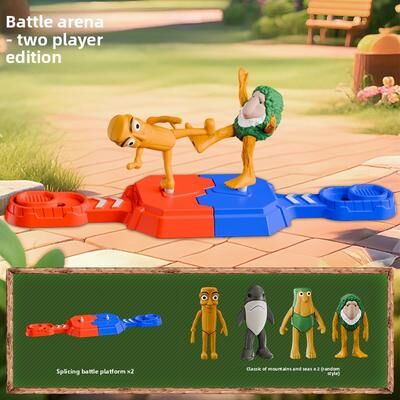
Uplift Picks Shanhaijing Wooden Stick Battle Game Multiplayer Arena Toy For Kids And Families 01Turn ordinary playtime into an exciting arena challenge with this action packed wooden stick battle toy inspired by Shanhaijing themes. Designed for interactive fun, this multiplayer battle game encourages friendly competition between kids, parents,...53,48 $*Shipping: 0,00 $Secure redirect to the provider
-
Ares Games Battle of Five Armies Board Game for Two Players - Strategy GameRecreate the climactic conflict from The Hobbit in this strategic two-player board game. One player commands the forces of the Free Peoples, while the other leads the armies of the Shadow in a contest shaped by positioning, tactical decisions, and changing battle conditions. Based on the acclaimed game system first used in War of the Ring, the game captures the scale and tension of the battle while focusing on the events surrounding the Lonely Mountain. Players must manage their forces carefully, respond to the actions of their opponent, and make decisive choices as the conflict develops. This game is set in the world of J.R.R. Tolkien's Middle-earth and is a physical tabletop game supplied in a retail box. The box dimensions are approximately 40.8 × 27.8 × 9.4 cm.60,06 £*Shipping: 0,00 £Secure redirect to the provider
-
Do or Drink – Adult Drinking Card Game (350 Cards, 175 Challenges) Party & Game Night FunDo or Drink is a bold, laugh-out-loud drinking card game created for adults who want to turn any gathering into an unforgettable night. Packed with 350 cards and 175 outrageous challenges , it’s designed to spark competition, banter and plenty of drinks—making it a go-to choice for parties, celebrations and game nights. Key Features Adult drinking card game for bold party fun 350 cards with 175 unique challenges Simple rules – quick to learn and start playing Designed for groups and social settings Compact box, easy to bring to parties and trips Ideal for 18th birthdays, hen parties and celebrations Benefits Do or Drink breaks the ice instantly and keeps energy high throughout the night. The easy gameplay means less explaining and more laughing, while the wide variety of challenges keeps rounds fresh and unpredictable. Perfect for adults looking to add humour, competition and excitement to social gatherings. Specifications Table Specification Details Brand Do or Drink Product Type Drinking Card Game Card Count 350 Challenges 175 Recommended Age 18+ Players Group Play Gameplay Style Party / Social Language English Colour Multi-Coloured EAN / Barcode 860002526409 Perfect for adults aged 18+ looking to elevate game nights, house parties, birthdays, stag and hen parties . Best suited for groups who enjoy competitive, humorous and high-energy social games.23,99 £*Shipping: 0,00 £Secure redirect to the provider
-
What is the deontological perspective?
The deontological perspective is an ethical theory that focuses on the inherent rightness or wrongness of actions themselves, rather than the consequences of those actions. It is based on the idea that certain actions are morally obligatory regardless of their outcomes. Deontologists believe that individuals have a duty to follow certain moral rules or principles, such as honesty or respecting others' autonomy, regardless of the potential benefits or harms that may result. This perspective is often associated with philosophers like Immanuel Kant, who argued that moral principles are universal and apply to all rational beings. **
-
What is meant by deontological and teleological?
Deontological ethics is an ethical theory that focuses on the inherent rightness or wrongness of actions themselves, rather than the consequences of those actions. It emphasizes the importance of following moral rules and duties, regardless of the outcomes. On the other hand, teleological ethics, also known as consequentialism, is an ethical theory that evaluates the morality of actions based on their outcomes or consequences. It emphasizes the idea that the rightness or wrongness of an action is determined by the overall good or bad results it produces. In summary, deontological ethics focuses on the inherent nature of actions, while teleological ethics focuses on the outcomes of actions. **
-
Does Kant's deontological ethics contradict Aristotle's eudaemonistic ethics?
Kant's deontological ethics and Aristotle's eudaemonistic ethics have some fundamental differences, but they do not necessarily contradict each other. Kant's ethics focus on duty and the intention behind actions, while Aristotle's ethics emphasize achieving eudaimonia, or human flourishing, through virtuous actions. While Kant's emphasis on duty can sometimes conflict with Aristotle's emphasis on virtue, both ethical theories ultimately aim to guide individuals towards leading a good and moral life. Therefore, while they may approach ethics from different perspectives, they can be seen as complementary rather than contradictory. **
-
Does discourse ethics have a teleological or deontological approach?
Discourse ethics is primarily associated with a deontological approach. It focuses on the principles of communication and interaction between individuals, emphasizing the importance of ethical norms and rules in guiding discourse. The goal is to ensure that communication is based on mutual respect, equality, and rationality, rather than aiming towards a specific outcome or goal. By prioritizing the ethical principles of communication, discourse ethics aims to create a fair and just dialogue among participants. **
Similar search terms for Deontological
-
Loke Battlemats Dungeon Dares Pack - Dumb Dares Silly Side Quests - RPG Party Challenges and Improvisation CardsAdd unexpected character moments to your role-playing sessions with Dumb Dares; Silly Side Quests. This pack contains 50 humorous prompts designed to encourage improvisation, playful risk-taking, and in-character interaction during your game. Use the cards to introduce a spontaneous challenge when the party needs a change of pace, to bring extra energy to a one-shot, or to help players explore how their characters might react in unusual situations. The compact card format makes the pack easy to keep with your tabletop role-playing supplies and simple to bring to a gaming session.11,16 £*Shipping: 3,95 £Secure redirect to the provider
-
Thunderworks Games Questline Card Game - 7 Sequential Cards - Compact Strategy Storytelling GameBuild your story one card at a time in Questline, a compact card game from Thunderworks Games. Players develop a hand of seven sequential cards, choosing when to claim useful cards and when to discard less helpful options. Look for cards with compatible story elements and effects as you shape your personal quest. Careful selection and timing can help you gather reputation and outscore your opponents by the end of the game.15,96 £*Shipping: 3,95 £Secure redirect to the provider
-
Inspire Daily Merch Wooden Stick Multiplayer Battle Toy, Arena Competition For Parent Child Interaction, Perfect Christmas Gift 1Engage in FunFilled Family Competition The New Wooden Stick Multiplayer Battle Toy brings excitement and bonding opportunities to families. This funfilled game is designed for parentchild interaction and allows both parents and kids to compete in...79,97 $*Shipping: 0,00 $Secure redirect to the provider
-
Multisell Products Hub New Shanhaijing Multiplayer Battle Toy, Wooden Stick Parent Child Interaction Arena Games Gift 2 person VersionEngage in Exciting ParentChild Interaction The New Shanhaijing Wooden Stick Multiplayer Battle Toy is an exciting game designed to bring families together. Whether you're playing at home or at a party, this interactive toy fosters fun and bonding...59,97 $*Shipping: 0,00 $Secure redirect to the provider
-
What is the difference between deontological ethics and utilitarianism?
Deontological ethics is an ethical theory that focuses on the inherent rightness or wrongness of actions themselves, regardless of their consequences. It emphasizes the importance of following moral rules and duties, such as telling the truth or keeping promises, regardless of the outcomes. On the other hand, utilitarianism is a consequentialist ethical theory that evaluates the morality of actions based on their outcomes. It prioritizes maximizing overall happiness or well-being for the greatest number of people, often through the calculation of benefits and harms. In summary, deontological ethics emphasizes the inherent morality of actions, while utilitarianism focuses on the consequences of actions. **
-
Is deontological ethics exactly the same as the categorical imperative?
Deontological ethics is a broader ethical theory that states that actions are inherently right or wrong, regardless of their consequences. The categorical imperative, on the other hand, is a specific formulation within deontological ethics proposed by Immanuel Kant. While the categorical imperative is a key component of deontological ethics, deontological ethics encompasses a wider range of principles and theories beyond just the categorical imperative. **
-
What are the differences between deontological ethics and utilitarian ethics?
Deontological ethics, also known as duty-based ethics, focuses on the inherent rightness or wrongness of actions themselves, regardless of their consequences. It emphasizes following moral rules and duties, such as telling the truth or keeping promises, based on principles like the categorical imperative. On the other hand, utilitarian ethics, also known as consequentialist ethics, prioritizes the outcomes or consequences of actions. It aims to maximize overall happiness or well-being for the greatest number of people, often through the calculation of benefits and harms. While deontological ethics emphasizes duty and rules, utilitarian ethics prioritizes the greatest good for the greatest number. **
-
What is the difference between deontological ethics and utilitarian ethics?
Deontological ethics, also known as duty-based ethics, focuses on the inherent rightness or wrongness of actions themselves, regardless of their consequences. This means that certain actions are considered morally right or wrong based on whether they adhere to a set of rules or principles. On the other hand, utilitarian ethics, also known as consequentialist ethics, evaluates the morality of actions based on their outcomes or consequences. In utilitarianism, the rightness or wrongness of an action is determined by its ability to produce the greatest overall happiness or pleasure for the greatest number of people. **
* All prices are inclusive of VAT and, if applicable, plus shipping costs. The offer information is based on the details provided by the respective shop and is updated through automated processes. Real-time updates do not occur, so deviations can occur in individual cases. ** Note: Parts of this content were created by AI.